Budget Travel To Thailand(2018)
Once just a simple place for backpackers, nowadays Thailand is among the most famous and visited tourist destinations in the world. Different parts of Thailand cater to different people—from wide-eyed adventurers at the start of a big trip to throngs of package tourists on a lazy holiday to people with sexual desires.
EXPERIENCE YOU WANT IS WAITING FOR U HERE.

I know there’s the island of Koh Phi Phi, the Full Moon Party, or Bangkok’s tourist street of Khao San. They can be fun, even though they’re a little tacky and overhyped.
But there’s much more to Thailand, and in this guide I will try to highlight some other best places to visit, a few places to avoid, and give you some general Thailand travel tips.
If you’re just looking for something fun and exotic, then it’s the perfect country to visit.
It’s a good idea to go to the north first. You will find more cultural and natural attractions there, and many people think it’s nice to tick these off the list before heading to the coast. If you go to the southern beaches straight away, you might just get stuck in a crowd and then can't do anything else.
The main city Chiang Mai has super low prices and an easygoing atmosphere, making it a great base from which to explore. Three hours north of Chiang Mai is the small town of Pai, a funky backpacker hangout amid a rural landscape with rice fields, hot springs, and waterfalls.
Northwest of Chiang Mai is the Mae Hong Son province, Thailand’s least populous region. For a great road trip, you can rent scooters and ride the Mae Hong Son loop through these tranquil backwaters of Thailand, starting and ending in Chiang Mai or Pai.

About 120km from Bangkok is the small riverside city of Kanchanaburi, made famous by the movie Bridge over the River Kwai. It has a minor traveler scene, and it is a good base for visiting historical sites, waterfalls, and Sai Yok National Park.
The west coast along the Andaman Sea has some of the most developed resorts in Thailand, with Phuket focused mainly on fly-and-flop package holidays. Phuket (and Patong) honestly aren’t great places to be for an independent traveler. I think Ao Nang beach and Khao Sok National Park make for nice stops around here, as do the islands of Koh Lanta, Koh Lipe or Koh Kradan.
The east coast has fewer islands, but thanks to a shorter monsoon they can be enjoyed almost year-round. Koh Samui has its own airport and is mainly home to upmarket holiday resorts. Koh Phangan and Koh Tao are more popular with backpackers and scuba divers respectively.

If you’re a budget traveler in Bangkok for the first time, chances are you’ll end up in Banglamphu (which has the famed backpacker district of Khao San Road) or in the Silom or Phayathai areas. These are all in downtown, putting you right in the middle of Bangkok’s love-it-or-hate-it chaos. All of these are good areas to stay if you want to be close to the action.
Many visitors feel overwhelmed by Bangkok initially, but grow to appreciate it more on subsequent visits. Since Bangkok is such a key travel hub, you are likely to pass through more than once — and if you do, it’s nice to stay in Ari on your second visit.
It’s not quite as close to the sights, but it’s an oasis of calm and a world apart from Khao San. It’s mainly locals, expats, and travelers-in-the-know who hang out here, with just a few top rated hostels and guesthouses tucked away in its residential streets. Foodies shouldn’t miss the nearby Boat Noodle Alley
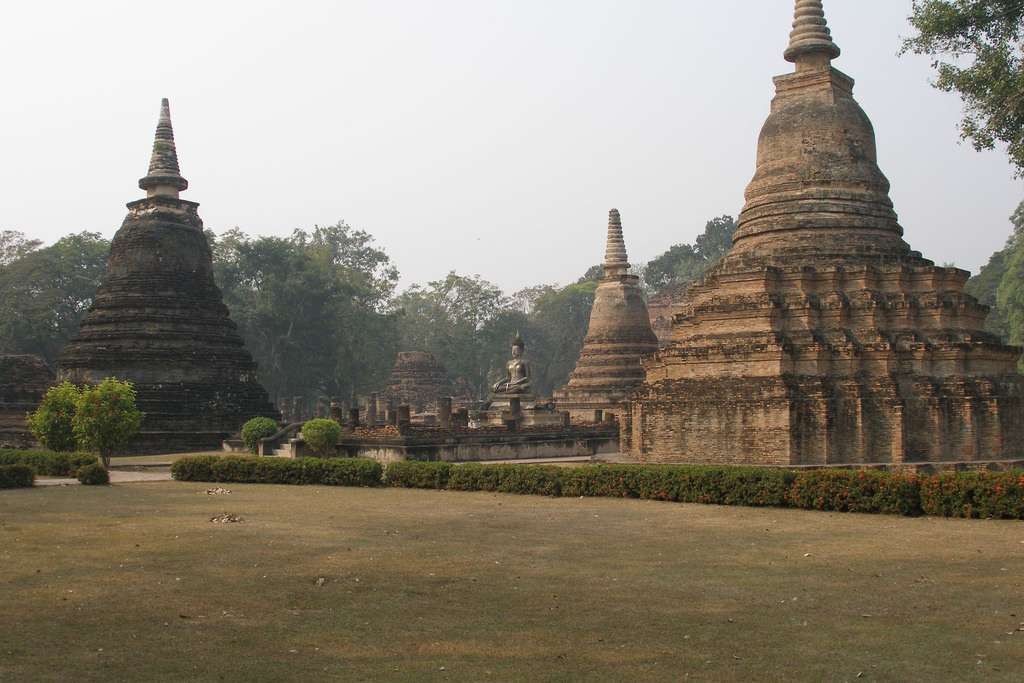
The ancient capital of Sukhothai, once the heart of the Siamese empire, is now a complex of temple ruins that makes for a perfect stop if traveling between Bangkok and Chiang Mai. The ancient ruins are spread amongst multiple zones, and those interested in the history can easily spend several days here. Even on a shorter visit, it’s worth spending the night so that you can have at least one full day the site.
The historical park is more compact than Angkor Wat in Cambodia or Bagan in Myanmar, and most easily explored by bicycle.

Every evening, the center of Chiang Mai comes alive with a massive street market. You can find anything here ranging from genuinely lovely handicraft souvenirs to Thai bootleg DVDs. The Night Bazaar has a friendly atmosphere and is worth going even if you don’t intend to buy anything, with all manner of restaurants and entertainment clustered around the market streets.

Time for a confession: the first time I was in Thailand I rode an elephant. I didn’t know anything about how they get tortured when they’re young (so they will later obey commands) or any of the other animal welfare abuses. The mahouts assured us everything was fine, but they were pulling wool over our eyes.
There’s a great bar scene that’s a bit more down-to-earth than in southern Thailand. Mini day trips to the Mo Paeng and Pam Bok waterfalls, the Pai Canyon, hot springs, and an odd little sight called the Land Crack can keep you busy for several days. It’s best to rent a motorbike so you can explore the area on your own.
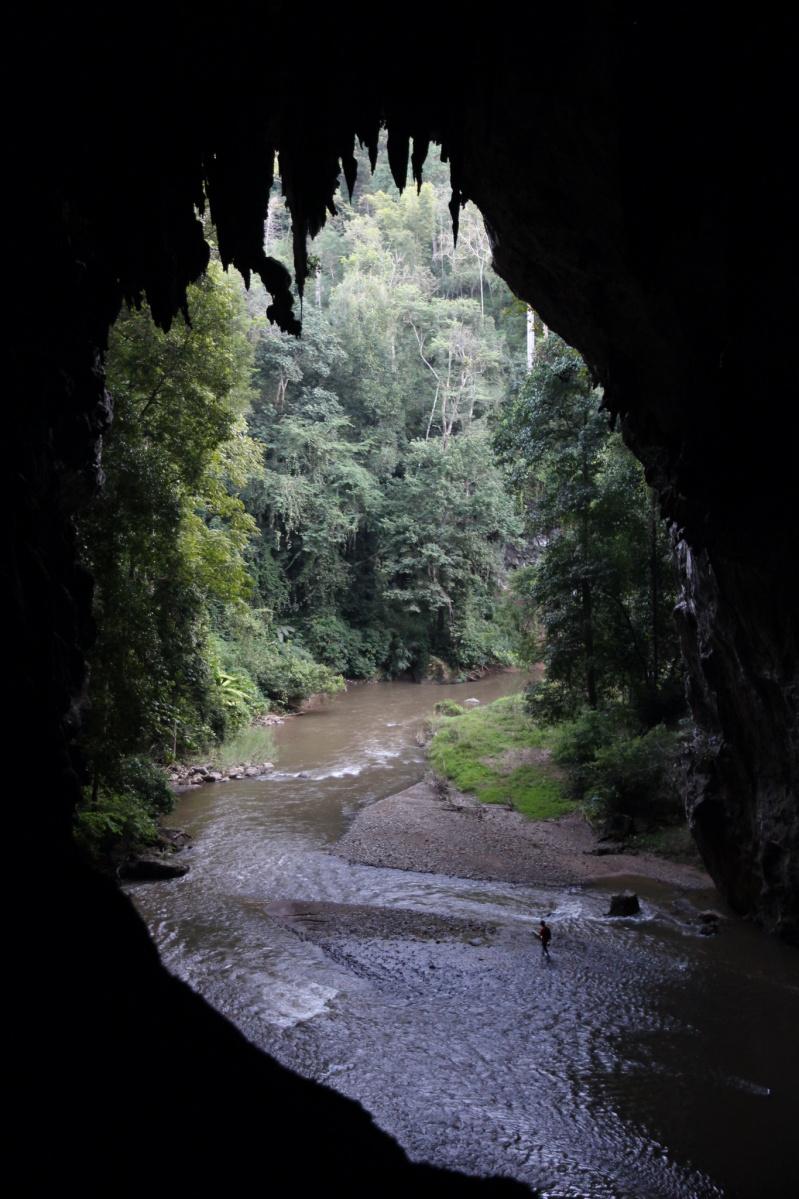
Along the Mae Hong Song loop in northeast Thailand you’ll find a small town called Soppong (also known as Pang Mapha), a beautiful place from where you can explore countless caves and caverns.
Tham Lod is the largest of these caves, which you enter on bamboo rafts and explore just by the flickering light of a gas lamp. You’ll see some prehistoric 1,700-year-old coffins along the way, and if you time your visit well, you can witness hundreds of thousands of swifts leave the jungle and fly into the cave to rest for the night. This is, in a word, epic.

EXPERIENCE YOU WANT IS WAITING FOR U HERE.
I know there’s the island of Koh Phi Phi, the Full Moon Party, or Bangkok’s tourist street of Khao San. They can be fun, even though they’re a little tacky and overhyped.
But there’s much more to Thailand, and in this guide I will try to highlight some other best places to visit, a few places to avoid, and give you some general Thailand travel tips.
If you’re just looking for something fun and exotic, then it’s the perfect country to visit.
Where to go in Thailand
Before telling some of the key places to visit, let me give you an overview of Thailand.While it can be fun to go off the beaten track, most people will inevitably end up in many of these places.It’s a good idea to go to the north first. You will find more cultural and natural attractions there, and many people think it’s nice to tick these off the list before heading to the coast. If you go to the southern beaches straight away, you might just get stuck in a crowd and then can't do anything else.
Northern Thailand
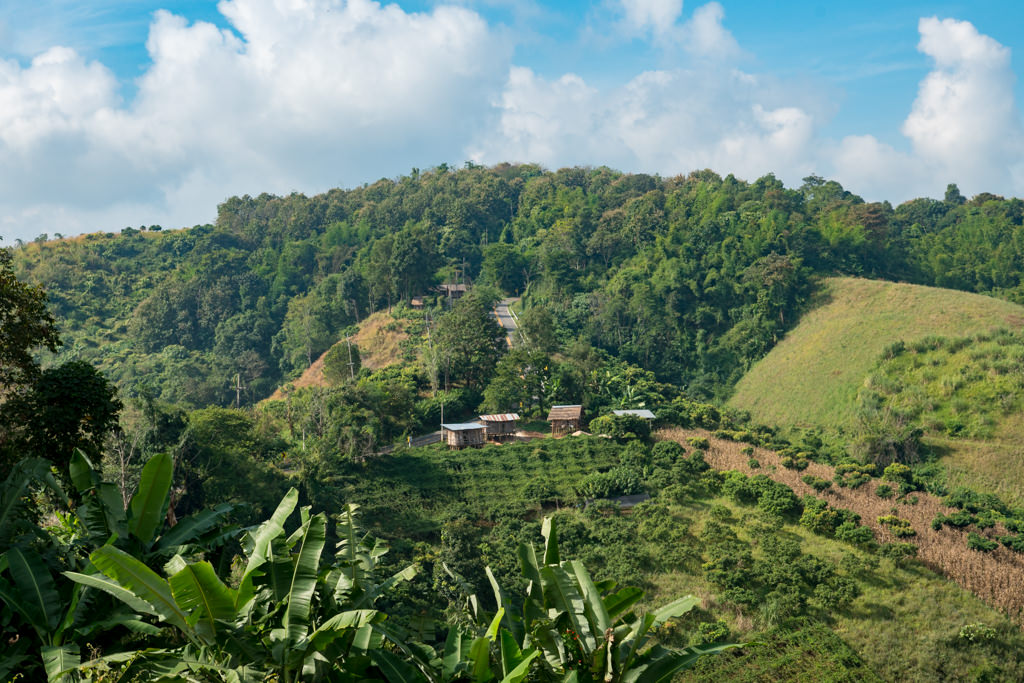
This region is more mountainous, has cooler temperatures, and is more relaxed. With its cloudy mountains and lush valleys, the place is famous for jungle trekking and for visiting indigenous hill .The main city Chiang Mai has super low prices and an easygoing atmosphere, making it a great base from which to explore. Three hours north of Chiang Mai is the small town of Pai, a funky backpacker hangout amid a rural landscape with rice fields, hot springs, and waterfalls.
Northwest of Chiang Mai is the Mae Hong Son province, Thailand’s least populous region. For a great road trip, you can rent scooters and ride the Mae Hong Son loop through these tranquil backwaters of Thailand, starting and ending in Chiang Mai or Pai.
Central Thailand
Besides the capital of Bangkok, of particular note in Central Thailand are the archaeological sites of Ayutthaya and Sukhothai, both filled with the crumbled remains of ancient Buddhist temples.About 120km from Bangkok is the small riverside city of Kanchanaburi, made famous by the movie Bridge over the River Kwai. It has a minor traveler scene, and it is a good base for visiting historical sites, waterfalls, and Sai Yok National Park.
Southern Thailand
The south of Thailand is all about the beaches and islands.The west coast along the Andaman Sea has some of the most developed resorts in Thailand, with Phuket focused mainly on fly-and-flop package holidays. Phuket (and Patong) honestly aren’t great places to be for an independent traveler. I think Ao Nang beach and Khao Sok National Park make for nice stops around here, as do the islands of Koh Lanta, Koh Lipe or Koh Kradan.
The east coast has fewer islands, but thanks to a shorter monsoon they can be enjoyed almost year-round. Koh Samui has its own airport and is mainly home to upmarket holiday resorts. Koh Phangan and Koh Tao are more popular with backpackers and scuba divers respectively.
Bangkok’s Ari neighborhood
If you’re a budget traveler in Bangkok for the first time, chances are you’ll end up in Banglamphu (which has the famed backpacker district of Khao San Road) or in the Silom or Phayathai areas. These are all in downtown, putting you right in the middle of Bangkok’s love-it-or-hate-it chaos. All of these are good areas to stay if you want to be close to the action.
Many visitors feel overwhelmed by Bangkok initially, but grow to appreciate it more on subsequent visits. Since Bangkok is such a key travel hub, you are likely to pass through more than once — and if you do, it’s nice to stay in Ari on your second visit.
It’s not quite as close to the sights, but it’s an oasis of calm and a world apart from Khao San. It’s mainly locals, expats, and travelers-in-the-know who hang out here, with just a few top rated hostels and guesthouses tucked away in its residential streets. Foodies shouldn’t miss the nearby Boat Noodle Alley
The ruined capital of Sukhothai
The ancient capital of Sukhothai, once the heart of the Siamese empire, is now a complex of temple ruins that makes for a perfect stop if traveling between Bangkok and Chiang Mai. The ancient ruins are spread amongst multiple zones, and those interested in the history can easily spend several days here. Even on a shorter visit, it’s worth spending the night so that you can have at least one full day the site.
The historical park is more compact than Angkor Wat in Cambodia or Bagan in Myanmar, and most easily explored by bicycle.
Chiang Mai’s night markets
Every evening, the center of Chiang Mai comes alive with a massive street market. You can find anything here ranging from genuinely lovely handicraft souvenirs to Thai bootleg DVDs. The Night Bazaar has a friendly atmosphere and is worth going even if you don’t intend to buy anything, with all manner of restaurants and entertainment clustered around the market streets.
The regular night market takes place every day, though there are two separate night markets on the weekend that tend to have more authentic or higher quality wares. It’s worth timing your stay in Chiang Mai to coincide with the weekend markets. The Saturday evening market is along Wualai Street, while the Sunday Market goes through the old town along Ratchadamonoen Road.
Elephant Nature Park
Time for a confession: the first time I was in Thailand I rode an elephant. I didn’t know anything about how they get tortured when they’re young (so they will later obey commands) or any of the other animal welfare abuses. The mahouts assured us everything was fine, but they were pulling wool over our eyes.
Thankfully, there are now more enlightened elephant parks that have stopped the practice of riding the elephants (so they don’t need to be horrifically broken in). Instead, they invite visitors to merely feed and wash these beautiful gentle giants. Elephant Nature Park near Chiang Mai is known for its ethical practices.

Numerous trekking companies organize one- or multi-day treks around Chiang Mai, Chiang Rai and Pai, passing through green rice paddies and lush jungles, and stopping by some of the hill tribe villages along the way.
The people in these traditional villages live in wooden houses on stilts, and while they have facilities like water tanks and solar panels, they usually still cook over wood fires and live on subsistence farming. Someone in the village will typically prepare a meal for you, which you eat while sitting on the floor. On multi-day treks, you’ll be offered a homestay in one of these villages.
A hill tribe trek is a perfect way to enjoy the landscapes of northern Thailand while gaining a cultural perspective as well. Remember to be respectful and only take pictures of people if they allow.

Once a rural backwater, over the years the tiny village of Pai evolved into a key spot on the Thailand travel trail. Accommodation consists mostly of bungalows, hostels, and funky tree house resorts. While it’s been a couple of years since I was last in Pai, people tell me its laidback vibe hasn’t changed, despite more Chinese and Western package tourists making their way here.Hill Tribe trekking
Numerous trekking companies organize one- or multi-day treks around Chiang Mai, Chiang Rai and Pai, passing through green rice paddies and lush jungles, and stopping by some of the hill tribe villages along the way.
The people in these traditional villages live in wooden houses on stilts, and while they have facilities like water tanks and solar panels, they usually still cook over wood fires and live on subsistence farming. Someone in the village will typically prepare a meal for you, which you eat while sitting on the floor. On multi-day treks, you’ll be offered a homestay in one of these villages.
A hill tribe trek is a perfect way to enjoy the landscapes of northern Thailand while gaining a cultural perspective as well. Remember to be respectful and only take pictures of people if they allow.
Backpacker hangout Pai
There’s a great bar scene that’s a bit more down-to-earth than in southern Thailand. Mini day trips to the Mo Paeng and Pam Bok waterfalls, the Pai Canyon, hot springs, and an odd little sight called the Land Crack can keep you busy for several days. It’s best to rent a motorbike so you can explore the area on your own.
Tham Lod cave
Along the Mae Hong Song loop in northeast Thailand you’ll find a small town called Soppong (also known as Pang Mapha), a beautiful place from where you can explore countless caves and caverns.
Tham Lod is the largest of these caves, which you enter on bamboo rafts and explore just by the flickering light of a gas lamp. You’ll see some prehistoric 1,700-year-old coffins along the way, and if you time your visit well, you can witness hundreds of thousands of swifts leave the jungle and fly into the cave to rest for the night. This is, in a word, epic.
[youtube https://www.youtube.com/watch?v=u4GyflMKSM8]
Other smaller caves in the area let you swim through cave rivers, crawl through crevices that just barely fit a person, and gasp at underground waterfalls. Guided treks are available via the Cave Lodge, which is a quiet and rustic base for hikers and spelunkers in the middle of the forest.Chiang Rai Province
While not undiscovered, the northeast of Thailand isn’t included in most standard itineraries, making it a nice alternative region to check out. Chiang Rai city has a relaxed atmosphere and a couple of attractions, including some unique contemporary Buddhist temples (very different from others you may have already seen).
But the city is best used as a base for exploring the surrounding Chiang Rai province. With its rice fields, forests, and gentle hills, it’s a good region for trekking and cycling. Multiple peaks along the border with Laos offer breathtaking views, with lower areas often shrouded in mist in the early morning. Another highlight is Mae Salong, a charming village surrounded by tea plantations settled on a hilltop north of Chiang Rai.

The province of Krabi is famed for its beached ringed by tall karst cliffs. The most iconic of these are Ao Nang beach and the beaches of Railay (or Rai Leh), a peninsula reached only by longtail boat from Ao Nang. The beach itself has only high-end resorts, but you can still find some medium-budget options towards the back. Since Railay beach is getting increasingly busy, consider perhaps staying in Ao Nang or Krabi (where there is more space and more accommodation) and taking a day-trip to Railay.

Khao Sok is a wildlife reserve in southern Thailand. It’s a spectacular park, featuring lakes with floating bamboo houses, and limestone karst often rising from the jungles. Spending some time here on a 2-day (or longer) excursion is a great way to add some adventure to what will inevitably be a very beaches-and-islands focused part of your trip to the south.
But the city is best used as a base for exploring the surrounding Chiang Rai province. With its rice fields, forests, and gentle hills, it’s a good region for trekking and cycling. Multiple peaks along the border with Laos offer breathtaking views, with lower areas often shrouded in mist in the early morning. Another highlight is Mae Salong, a charming village surrounded by tea plantations settled on a hilltop north of Chiang Rai.
Krabi & Railay beach
The province of Krabi is famed for its beached ringed by tall karst cliffs. The most iconic of these are Ao Nang beach and the beaches of Railay (or Rai Leh), a peninsula reached only by longtail boat from Ao Nang. The beach itself has only high-end resorts, but you can still find some medium-budget options towards the back. Since Railay beach is getting increasingly busy, consider perhaps staying in Ao Nang or Krabi (where there is more space and more accommodation) and taking a day-trip to Railay.
The scenery is impressive and worth seeing despite the crowds — be sure to climb up to the lagoon and viewpoint. The area is also world-famous for its rock climbing, with introductory courses and equipment rental available in Railey, Ao Nang or Krabi Town.
Khao Sok National Park
Khao Sok is a wildlife reserve in southern Thailand. It’s a spectacular park, featuring lakes with floating bamboo houses, and limestone karst often rising from the jungles. Spending some time here on a 2-day (or longer) excursion is a great way to add some adventure to what will inevitably be a very beaches-and-islands focused part of your trip to the south.
There are several trails from Khao Sok village that you can walk independently, though most of them technically require a guide. Organised tours are a little easier in practice and often include additional activities such as kayaking, bamboo rafting, caving, ziplining, wildlife spotting, or overnighting in the jungle. You can easily book tours from most guesthouses and locations in Krabi.


But Thailand also has a third island group off to the east, near Cambodia. The Koh Chang Archipelago may be a bit out of the way, but that has also sheltered it somewhat from large-scale development.
Koh Chang, the largest island, does get its share of package tourism. It also has a thriving party scene around Lonely Beach. But since not all of the beaches are sandy (some have rocks or pebbles) and since its large interior is mountainous and covered in jungle, it can still feel a little wild. There are plenty of quiet spots, and it’s a great island for hiking.
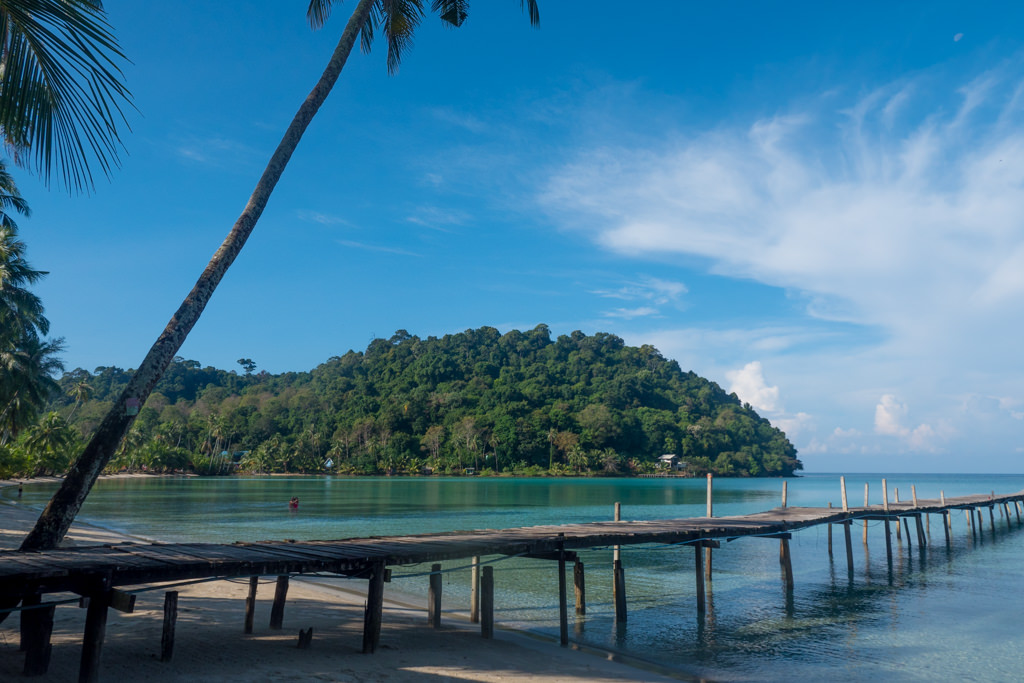
Koh Kood (a.k.a Koh Kut) is very picturesque and unspoiled. It’s mostly the domain of some isolated resorts, but it’s still possible to be an independent traveler on Koh Kood. This very quiet island is best for doing nothing at all.
Ferries to the islands depart from the town of Trat, which is about 5 hours by bus from Bangkok. More than just a transit point, Trat is a nice non-touristy place to stay for a night or two.
If you like smaller independent hotels, then I recommend searching on Agoda.com and Booking.com. They have the largest selections of independent and boutique hotels, and Agoda is also specialized in the Asia region. I have a few tips for how to find the best accommodation.
Hostels are an excellent option if you’re backpacking or on a budget. They are generally of superb quality in Thailand these days (forget anything you may have seen in The Beach!). I have listed some of the best hostels in Thailand.

The center and the north of Thailand are the cheapest. In Chiang Mai, for example, you can still find dorm beds starting at $5 a night, while the most affordable private room might cost about $10.
Things are more expensive in the south, particularly along the coasts and on the islands. Prices on Phi Phi Island, for instance, have drifted towards the mid-range, with dorm beds costing around $20 and a basic private room at least around $40. Even a budget traveler might see their expenses approach $50/day in the south, depending on season and location.
If you are in Thailand for a short time and need the weather to be ‘perfect,’ you may wish to go in the tourist high season of December to February. But outside of these months, you’ll have other advantages such as lower costs, more available accommodation, and fewer crowds. Even in rainy reason, it won’t rain all the time.
Koh Lanta
Koh Lanta might not be as instantly photogenic as other islands; while it has nice beaches, it lacks the craggy cliffs of Krabi or the hillside views of Koh Tao or Ko Phangan. But maybe that’s why Koh Lanta has stayed pleasantly low-key, offering family-friendly resorts along Khlong Khong beach along with a sprinkling of backpacker hostels mainly on Long Beach.
This island is large enough to want to rent a motorbike to see it all, but still small enough to feel like an island. A few caves, a lighthouse, some snorkeling spots, and waterfalls are the key sights to check out. It’s a great choice for something a bit more chilled out.
Koh Phangan
Koh Phangan is famed for its Full Moon Party, which once began as a psychedelic hippie beach bonfire but since grew into a massively commercialized event attracting tens of thousands of drunken revelers every month. For many, it’s the key reason to visit. But outside of the Full Moon and Half-Moon events, Koh Phangan happens to be much more than just a party island.
For secluded beaches with affordable bungalows, you only need to go to the west or northwest parts of the island. Bottle Beach in the north is even downright isolated, blissfully removed from the crowds in the south where the parties take place.
Snorkeling & diving on Koh Tao
Koh Tao hosts the largest concentration of scuba diving schools in Asia (and quite possibly the world), with high competition resulting in unbeatable prices. If you ever wanted to become a certified SCUBA diver, it’s one of the most convenient places to do it.
I got my Open Water (4 days) and Advanced (2 days) on Koh Tao with Big Blue Diving, which I can highly recommend if you’re looking for a school with a fun and sociable atmosphere. The reefs aren’t the best if you’re already an experienced diver, but beginners can see many fishes, rays, and sea turtles in calm waters.
The Koh Chang Archipelago
Most people go to Thailand’s southern islands, like the ones mentioned above. These are the most well-known and are usually easiest to fit into a route.But Thailand also has a third island group off to the east, near Cambodia. The Koh Chang Archipelago may be a bit out of the way, but that has also sheltered it somewhat from large-scale development.
Koh Chang, the largest island, does get its share of package tourism. It also has a thriving party scene around Lonely Beach. But since not all of the beaches are sandy (some have rocks or pebbles) and since its large interior is mountainous and covered in jungle, it can still feel a little wild. There are plenty of quiet spots, and it’s a great island for hiking.
Koh Kood (a.k.a Koh Kut) is very picturesque and unspoiled. It’s mostly the domain of some isolated resorts, but it’s still possible to be an independent traveler on Koh Kood. This very quiet island is best for doing nothing at all.
Ferries to the islands depart from the town of Trat, which is about 5 hours by bus from Bangkok. More than just a transit point, Trat is a nice non-touristy place to stay for a night or two.
Practical information
Thailand sees millions of tourists a year but that does mean traveling there is pretty easy—even if you have little travel experience.Finding places to stay
Thailand has great accommodation on any budget. I have highlighted a few picks on this page (scroll up if you missed them).If you like smaller independent hotels, then I recommend searching on Agoda.com and Booking.com. They have the largest selections of independent and boutique hotels, and Agoda is also specialized in the Asia region. I have a few tips for how to find the best accommodation.
Hostels are an excellent option if you’re backpacking or on a budget. They are generally of superb quality in Thailand these days (forget anything you may have seen in The Beach!). I have listed some of the best hostels in Thailand.
Getting around
Don’t worry too much about travel logistics as there are always plenty of options! You can usually book your trips at any reception desk, but there are also tons of little travel agencies everywhere.- Buses are cheap and convenient and can you can easily book them from hostels or local agencies.
- Air travel is widely available with a host of regional airports. AirAsia is the leading budget airline, offering a range of convenient island transfer packages from Bangkok which include connecting ferry tickets to the islands.
- Trains are a good option for traveling from Bangkok to Chiang Mai in the north (these trains also go overnight) or from Bangkok and Surat Thani in the south.
Language
While Thai people do not so commonly speak English, those working in the tourism or service industry often do—or at least, they will be able to understand what you want to buy/order/etc. with minimal effort. Most signs are also in English, unless you venture far off the beaten track.Safety
Thailand is quite safe. Crime does occur (just as in any country), so keep your belongings secure and always apply common sense.While Thailand is relatively worry-free, scams targeting tourists can be a problem. Be firm with taxi drivers or they may try to rip you off. Also, make sure you take some photos of any bicycle, bike, water scooter or anything else you rent before any use, as a popular scam is to claim you have caused damage and need to pay compensation.Cost of travel
You can travel in Thailand on a backpacking budget of about Rs. 2000 a day (which is €27 or £20 or $30). This assumes you eat local and stay in hostels or basic guesthouses. My Southeast Asia cost of travel overview has more info and average prices.The center and the north of Thailand are the cheapest. In Chiang Mai, for example, you can still find dorm beds starting at $5 a night, while the most affordable private room might cost about $10.
Things are more expensive in the south, particularly along the coasts and on the islands. Prices on Phi Phi Island, for instance, have drifted towards the mid-range, with dorm beds costing around $20 and a basic private room at least around $40. Even a budget traveler might see their expenses approach $50/day in the south, depending on season and location.
When is the rainy season?
Broadly speaking, the rainiest months are from September to October. The monsoon has a different length on each coast though: roughly May to October on the west coast and September until December on the east coast.If you are in Thailand for a short time and need the weather to be ‘perfect,’ you may wish to go in the tourist high season of December to February. But outside of these months, you’ll have other advantages such as lower costs, more available accommodation, and fewer crowds. Even in rainy reason, it won’t rain all the time.
Comments
Post a Comment